
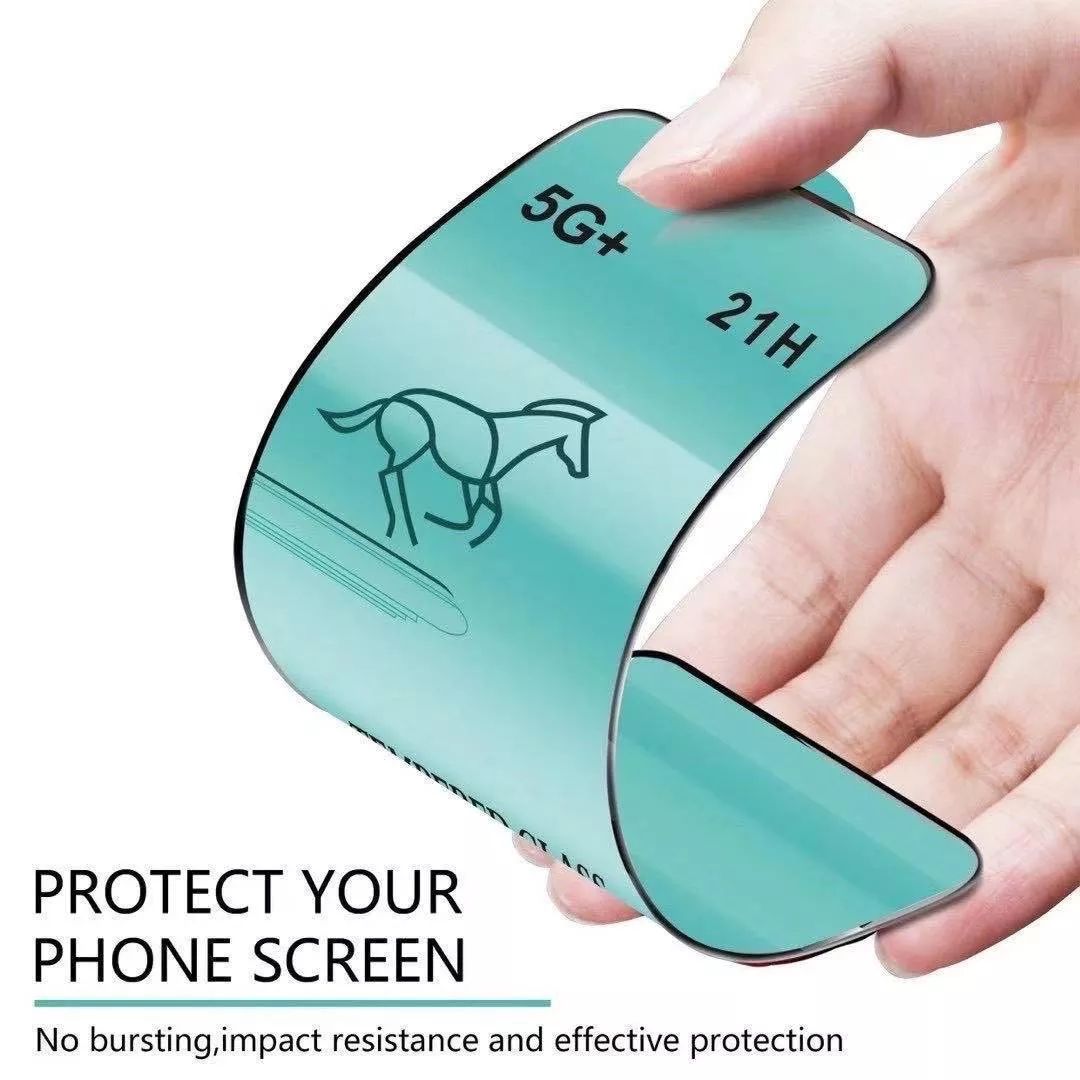
Cracked edges. Peeling corners. Reduced touch sensitivity. If you’ve ever replaced a screen protector more than once in a few months, you already know the problem: traditional tempered glass and plastic films no longer meet the demands of modern smartphones.
As devices evolve—with curved-edge displays, ultra-thin bezels, and 120Hz refresh rates—the limitations of conventional screen protector materials become increasingly obvious. Tempered glass offers hardness but shatters under pressure. Plastic films provide flexibility but sacrifice clarity and durability.
So the real question is no longer “tempered glass or plastic?” It’s: What actually protects today’s smartphones without compromise? The answer lies in hybrid screen protector technology—a new generation of composite materials engineered to combine impact resistance, flexibility, clarity, and full-edge coverage into a single solution.
Understanding Hybrid Glass Technology
Composition of Hybrid Glass
Hybrid glass methods rest on a blended frame. It joins tough PET or PMMA with extra-fine sheets of handled glass. Such blending yields a glass that echoes tempered glass’s firmness. At the same time, it keeps spring-like TPU films. In factory trials, this mix has proven to flex up to 20 degrees without stress cracks, a key gain over rigid types.
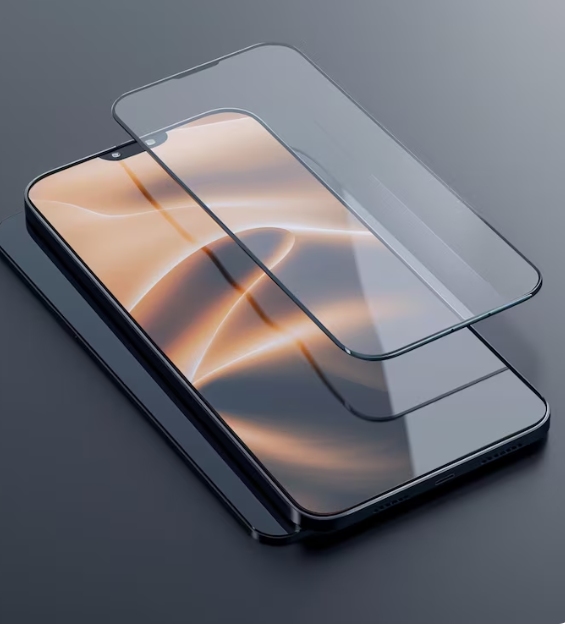
High aluminum silicate glass 0.25mm thickness, 9H hardness, HD Clear with black edge, Smooth, anti-smudge coating, Impact & scratch protection, Perfect touch sensitivity — these parts show how hybrid stuff hits even ground between toughness and daily ease. TPU-style gives them a curve without breaks. That fits them well for phones with side curves, like those in flagship Android lines where displays fold over edges.
“9H hardness” means resistance to scrapes from things such as keys or change in your pocket. TPU ties in add bend for setup and steady wear. Field reports from users in construction jobs highlight how these hold up through rough handling, lasting twice as long as basic films in dusty settings.
Benefits of Hybrid Glass
Hybrid screen shields provide real perks beyond old ones. These show up in everyday spots, from office desks to outdoor hikes.
- Enhanced Impact Resistance: PET base sheet plus optical glue spreads jolt force better than straight tempered glass. Flexible glass (Hardened PET composite), Korean imported base film. High-viscosity optical glue brings top hold against falls or squeezes. Take a scenario where a phone slips from a 1-meter table edge; hybrids often bounce back whole, while glass versions chip.
- Improved Touch Sensitivity: Slim build, near 0.25mm, works with coatings such as oleophobic films. This keeps the screen response close to stock. Gamers, for one, praise how pinch and slide feel natural, with no lag in fast-paced apps tested on devices like the Google Pixel series.
- Better Edge Coverage: Their yielding borders enable full wrap on bent screens. This skips peel troubles seen often in stiff shields. On models with 2.5D curves, like mid-range iPhones, this means full protection without gaps that let dust in over months.
- Unbreakable Design: Goods like X2-EASY BOX UNBREAKABLE FLEXIBLE GLASS sell under “unbreakable” tags. They provide increased reliability in high-impact usage scenarios, such as in sports where devices face vibrations and drops from 1.5 meters onto gym floors.

YCYMO’s Role in Material Innovation
Customizing for Different Markets
YCYMO serves as a worldwide ODM and OEM producer. It crafts screen guard fixes for many spots, guided by buyer likes and gear shifts. We specialize in providing customized glass screen protectors for various electronic devices, such as iPhones, Samsung, Google Pixel, Xiaomi, OPPO, vivo, Huawei, Apple Watches, iPad, Macbook, and PC.
Buyers in Europe and North America seek smooth finger glide and fine boxes. So YCYMO gives high-detail, clear covers with oleophobic ends. Spots in Southeast Asia or Latin America stress value for money. There, our OEM/ODM help lets us shift sheet depth or box types to suit. Batch tweaks from 1 to 100,000 units back growth for ties in varied scales.
Advanced Manufacturing Techniques
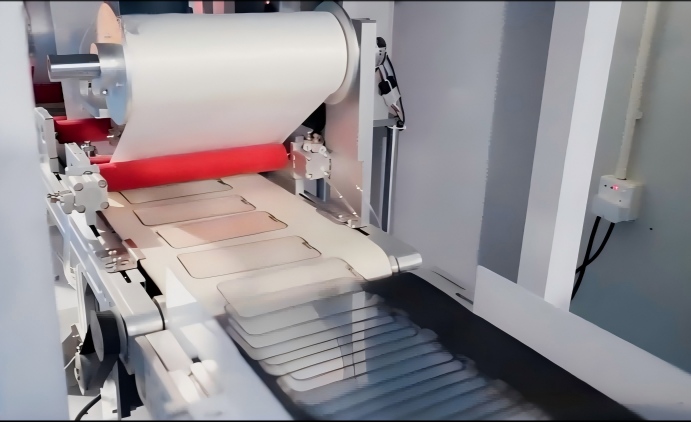
YCYMO’s production power stands as a base for its new paths. The setup spans over 7,000 square meters of plant with more than 70 auto tools. We make 4.5 million screen shields monthly. This reach lets us hold steady in huge runs without quality dips.
Each lot passes tough checks. These cover hardness proof (≥9H), jolt trials (1.2m drop), and curve hold reviews before dispatch. Our top bonding ways bring no-bubble stick, even on bent parts. This matters for phones like the iPhone 15 Pro Max or Samsung S24 Ultra. Their side wraps need an exact hold.
Installation and Maintenance Tips
Using a Glass Applicator Frame
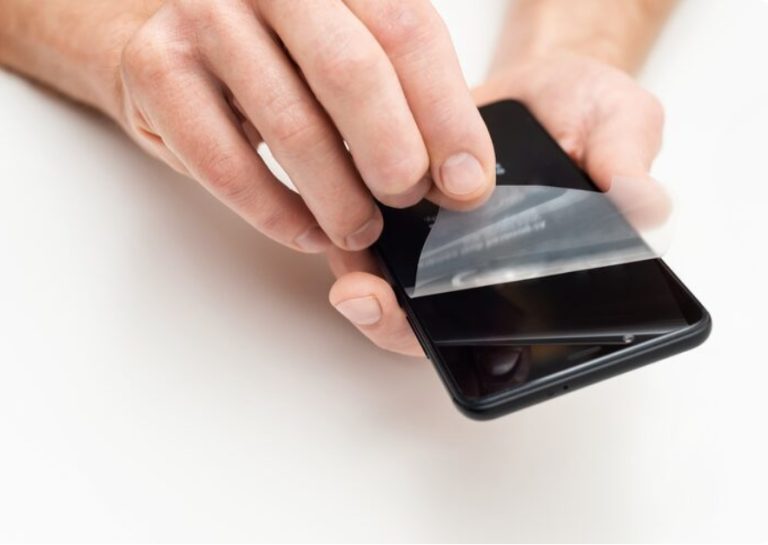
Spot-on setup shapes lasting work. A tiny offset can spark side lifts or dirt traps under the shield face. For that, YCYMO packs frame tools in many goods, like X1-EASY BOX SUPER STRONG GLASS. It ships “with X1 applicator” built for a simple match. The frame clamps firmly around your gear for a true spot each go. This proves key for shops doing group setups or fixing hubs chasing perfect turns.
Maintaining a Dust-Free Environment
Tiny dust specks can spark bubbles that hurt bond strength. To tackle this, YCYMO built setup kits like the X1 Dust Free Box. It gives a suitable space for the application step.
This shut method cuts dirt odds. It also backs quick three-step flows for shop sales or home tries. For instance, in a home environment, it blocks window dust during application, yielding clean bonds that last through humid seasons without lifts.
To hold quality as days pass:
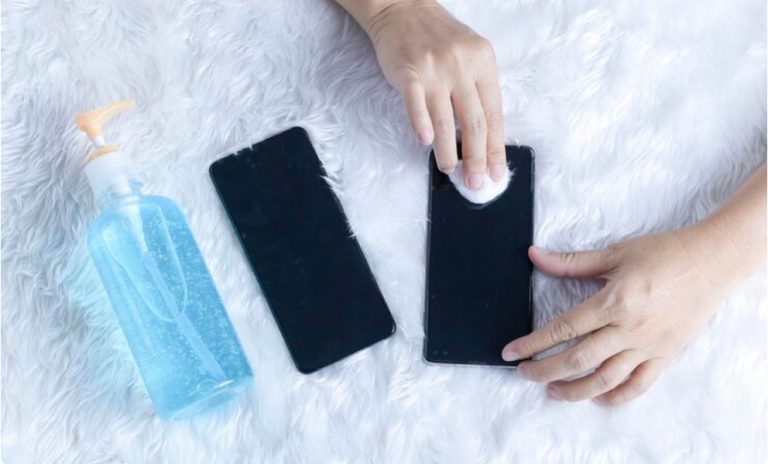
- Clean your gear often with microfiber wipes.
- Skip rough alcohol washes that might wear oleophobic films.
- Swap the shield if deep marks form. This keeps the sight steady and the finger true.
Conclusion
Ready to Upgrade Your Screen Protection Line? Hybrid technology is not just a trend—it’s rapidly becoming the industry standard for premium smartphone protection. At YCYMO, we specialize in OEM/ODM hybrid screen protectors engineered for:
- Curved and flat displays
- 9H surface hardness with flexible composite backing
- Dust-free installation systems
- Anti-blue light and privacy options
- Custom packaging for global retail markets
With a monthly production capacity of 4.5 million units and advanced quality testing (≥9H hardness, 1.2m drop tests), we help brands, distributors, and retailers deliver next-generation screen protection solutions.
Looking to develop your own hybrid screen protector line? Contact YCYMO today to request samples, discuss customization options, or explore bulk manufacturing partnerships. Let’s build stronger, smarter protection—together.
FAQ
Q: What is a hybrid screen protector?
A: A hybrid screen protector combines the hardness of glass with the flexibility of plastic materials like PET or PMMA to deliver enhanced durability while maintaining excellent touch sensitivity.
Q: Is tempered glass flexible?
A: Traditional tempered glass is not flexible due to its rigid crystalline structure; however, modern hybrids incorporate flexible substrates, allowing slight bending without cracking.
Q: How does YCYMO customize products for different markets?
A: Through our OEM/ODM program, we adapt material thicknesses (0.15–0.5mm), coatings (anti-blue light or privacy), and packaging styles based on regional preferences across Europe, America, Southeast Asia, and beyond.
Q: Why is a dust-free box important?
A: A dust-free box provides a clean installation environment that prevents air bubbles, ensuring perfect adhesion between the protector and display surface.