
For a screen protector line for the iPhone 18 Pro lineup, your first stop is material: a flexible soft film or a solid glass sheet. They both offer screen protection in distinctively different ways that will ultimately appeal to different customer priorities. We compare the key specs you really care about in a TPU soft screen protector with our high-aluminosilicate tempered glass protector; then we map each material to where it sold. Well defined goal: Know exactly what to carry, which items to private label and each SKU’s rightful location in the shelf.
The Material Difference Behind Two Common Shelves
Most screen protectors fall into one of two families, and the gap between them starts at the raw material, not at the price tag.
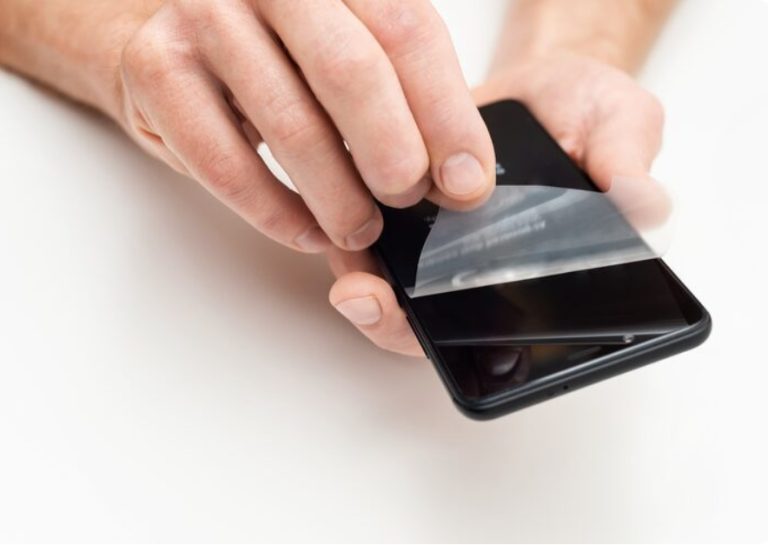
A delicate type of screen protection: It is mostly made from a thin TPU or hydrogel film. Its trademark is flexibility: it flexes with the glass; hugs tight at the edge and light surface abrasions could slowly fade in self-healing TPU substrate over time. Its thin and pliable property allows it to flex upon dropping or impact, absorbing force without cracking — which is why a soft film does not typically come off devices in large chips.
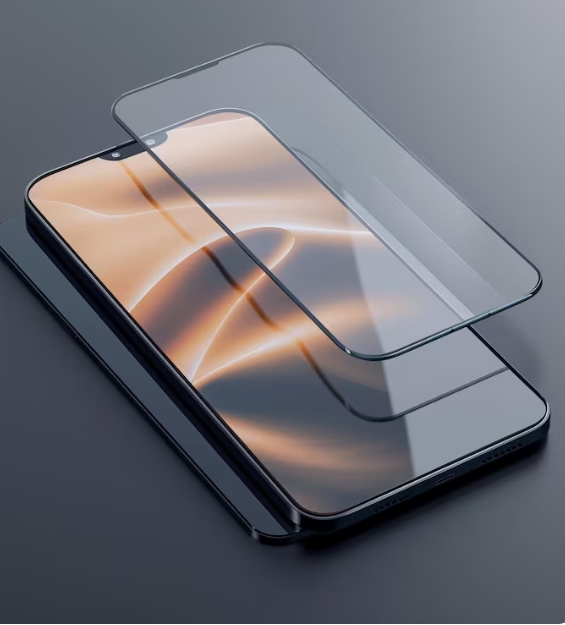
It is a thin sheet of high-aluminosilicate glass (usually around 0.33 mm thick) cut to size – better known as tempered glass screen protector. Hardness, actually—a 9H pencil-hardness layer intended to protect against common surface scratches plus edge-to-edge coverage (and an oleophobic coating keeping the screen smooth). If the surface must be scratch-resistant, glass is what people tend to go for.
Side by Side: The Specs Buyers Ask About
The table below lines the two materials up on the attributes that show up in buyer questions, product cards, and comparison searches.
|
Attribute |
Soft screen protector (TPU film) |
Tempered glass (0.33 mm) |
|---|---|---|
|
Core material |
TPU / hydrogel flexible film |
High-aluminosilicate glass |
|
Surface hardness |
Flexible, self-healing on supported TPU products |
9H pencil hardness |
|
How it handles a drop |
Bends and absorbs; resists cracking |
Rigid; may crack or chip on impact |
|
Edge / surface feel |
Seamless, close to the bare screen |
Smooth, rigid, oleophobic |
|
Typical thickness |
Ultra-thin film |
About 0.33 mm (0.15-0.5 mm options) |
|
Standout options |
Privacy, matte, blue light, AR |
HD clear, privacy, matte; 2.5D / 3D edge |
|
Strongest fit |
Everyday wear, curved edges, repair counters |
Higher scratch resistance, premium feel |
Long story short: glass generally wins on the single most-easy-to-measure number, pencil hardness; soft film however takes flexibility, a self-healing story and also feels thinner (closer to bare-screen). Both are good as they just cater to different customer priorities.
Across both families, the full range of device coverage is grouped in the product overview. The same material logic applies whether you are stocking iPhone, Samsung, or the rest of the catalog.
Which Material Fits Which Sales Channel
The right material depends less on which one is objectively better and more on where and how it is sold. Here is how the two map to the channels most buyers actually use.
Repair counters and retail stores. Soft film is fast, does not chip or crack when the technician applies and handles this device, it fits around a rounded edge so soft film suits very well as an active counter low-waste SKU. If the customer asks for a harder surface, however, tempered glass looks more premium and costs more.
E-commerce and D2C brands. Online buyers make decisions from stock photos (and spec lines). Let the scratch resistant flagship be tempered glass and let soft film have self-healing, bubble resistance as an everyday option where product supports those features. This means these 2 materials grow to become a total of: 2 product pages + (at least) two individual review bases that you can keep expanding over time.
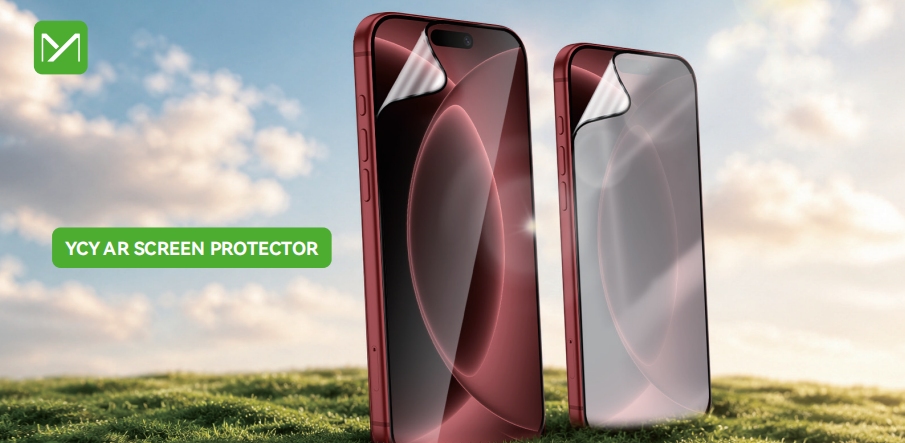
Private label and brand building. Occasionally, a gentle film can be more forgiving. In the YCYMO soft line you will find HD Clear, Privacy, Matte and Blue Light in addition to AR anti-reflective so a new brand could have its niche on an innovation instead of just going head-to-head with price. Sheet glass: Additionally, you can modify tempered glass — in thickness and edge profile as well coating.
Wholesale and distribution. And having those two materials available with the same device sizes also gives a distributor an opportunity to fill in a full gap and range of features from one manufacturer allowing for ease of ordering.
Stocking for the iPhone 18 Line
Focusing on the models in series 18: iPhone 18 Pro and Pro Max. Since the logical arrangement is one soft film and tempered glass sheet in all of those two sizes for most prospective purchasers, it makes sense that some self-healing options within reach along with scratch-resistant items on high-end market placements fit into what sits on their shelf.
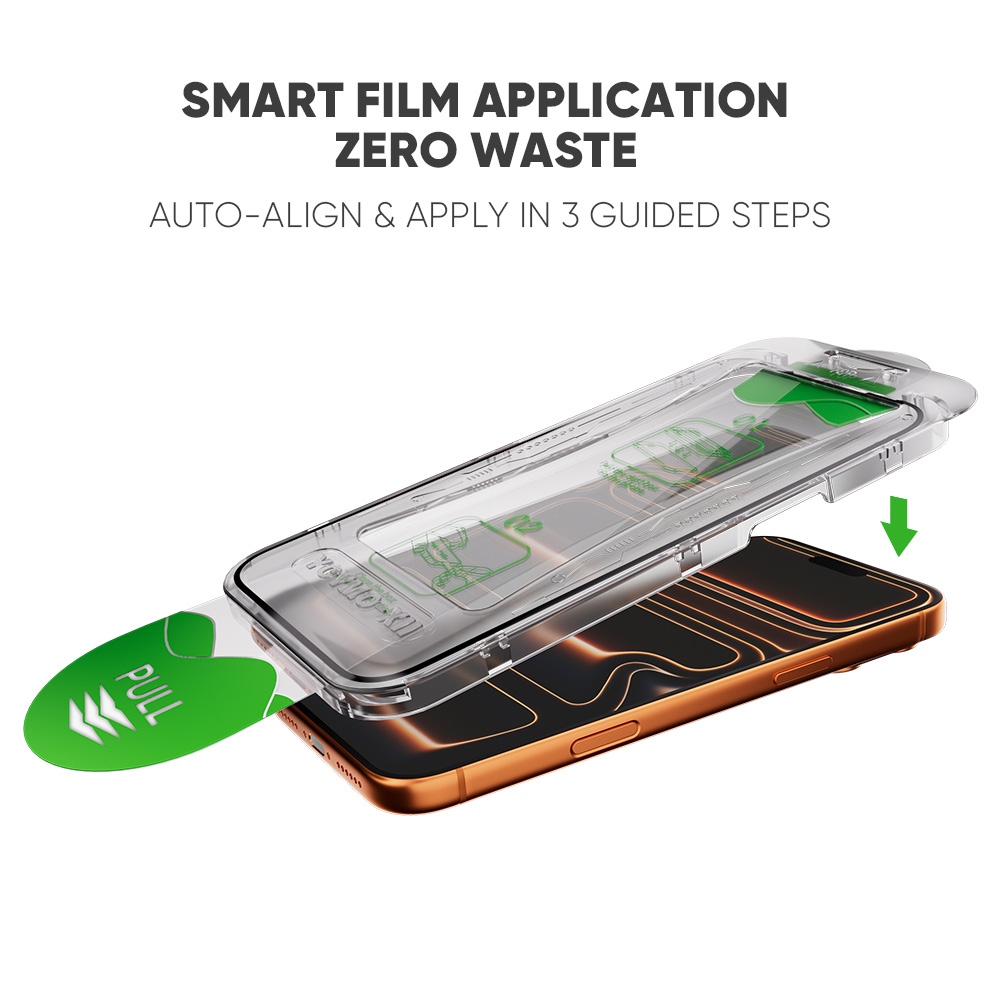
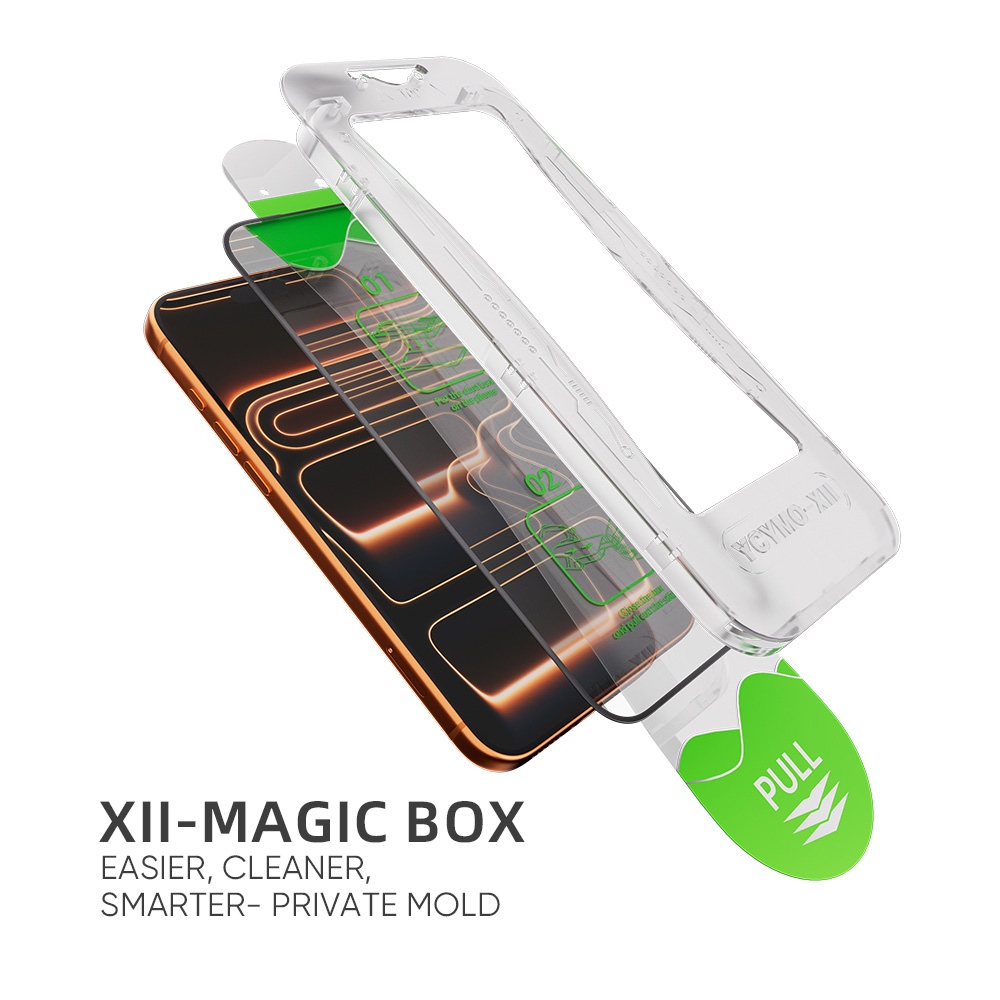
Two factors raise the sell-through on either material. The first is installation. Team it with a dust-control applicator and help create less-dust bubbles (a common return cause) for an easier install. The frame film applicators called THORX are available for different devices, with logo and color customization on selected models. The second is to make sure the minimum order quantities (MOQs) are palatable: COTS products usually start at around ~100 per model, while for custom film or mold-opening work orders tend to begin around 1,000 per model depending on specifications; so you can give an entirely new line a go before making significant commitments.
Conclusion
There is no single winner. That said, tempered glass usually has a greater pencil-hardness scratch resistance; while soft TPU film offers flexibility (which also offers self-healing properties if it is supported by the product in question) with less risk of cracking. The iPhone 18 line may offer both materials for Pro and Pro Max, along with a dust-control applicator. Step two in getting that line, under your own brand — material and packaging spec with a factory whose device database counts 10k+ model entries. Contact YCYMO for the OEM/ODM discussion.
FAQ
Is a soft screen protector as scratch-resistant as tempered glass?
Not on a pencil test. The surface rating of a tempered (0.33 mm thick) glass sheet can be as high as 9H pencil-hardness scratch-resistance figure! Surface peak hardness is compromised in favor of flexibility/self-healing on supported products (fine scratches can fade over time as opposed to the sheet fracturing and remains intact after impact).
Can I sell soft film and tempered glass under my own brand?
Yes. Both families are ready for private label, with respect to material/ thickness / edge profile / coating and packaging. In the case of a standard stock item, minimums can be 100 pieces per model; for custom film or mold-opening projects they typically start at around 1K per model depending on product specifications.
What is the difference between a TPU soft film and a flexible glass protector?
TPU soft film is a flexible polymeric material, usually supplied with self-healing layer. A hybrid, or flexible glass protector will use a hard PET composite that keeps more of the feel and touch properties of glass yet can still remain bendable as well. Both offer a flexible alternative to rigid tempered glass, but use different materials.
Which should I stock first for the iPhone 18 Pro?
Available for the Pro and also Pro Max: a durable, scratch-resistant tempered glass display protector to treat your high-end customer right; or a softer TPU film suited for anyone who uses their phone every day — including fans of "selfhealing" films. Combine it with a dust-control applicator to lessen installation issues and returns.